Denver drivers deal with a combination that few other cities in the country have to handle at the same time. The Mile High City sits over five thousand feet above sea level, which already changes how an engine performs, and then layers a genuine winter snow season on top of that thinner air. Each of these factors is demanding on its own, but together they create a set of conditions that wears down engines and tires in ways that a driver moving here from a lower, milder climate often does not anticipate.
Why Altitude Changes The Baseline Before Winter Even Arrives
At Denver's elevation, the air contains meaningfully less oxygen than it does at sea level, which affects how efficiently your engine burns fuel and produces power. Naturally aspirated engines in particular lose a noticeable percentage of their rated horsepower simply from operating in this thinner air, and while modern fuel injection systems compensate automatically to some degree, the underlying physics still mean your engine is working under different conditions than it was designed and tested for at lower elevations.
This altitude effect matters year round, but it sets a baseline that winter conditions then build directly on top of. An engine already working a bit harder to produce normal power in thin air faces an even tougher job once cold winter temperatures are added to the equation, since cold air is denser and thick engine oil at low temperatures further increases the effort needed to get everything moving smoothly.
How Winter Cold Compounds The Altitude Effect
Cold temperatures thicken engine oil, making it harder for a cold engine to turn over and circulate lubrication properly during startup. At Denver's elevation, where the air is already thinner, this creates a combined challenge where your starter has to overcome both the added resistance of cold, thick oil and the reduced combustion efficiency of high altitude air, all at the same time during a winter morning start.
Battery performance follows a similar compounding pattern. Cold weather already reduces a battery's ability to deliver power, and Denver's snow season often brings genuinely cold mornings on top of the altitude related demands your electrical and fuel systems face. A battery that is already a bit weak from summer heat exposure, since heat also accelerates battery wear, can struggle considerably more once winter cold and the effort of starting a cold engine in thin air are combined into a single demanding moment.
Why Snow And Altitude Together Are Especially Tough On Tires
Denver's snow season means tires face the usual winter challenges of reduced traction, road salt exposure, and temperature related pressure changes, but altitude adds an additional layer to this equation. Colder air at higher elevation causes tire pressure to drop more significantly than the same temperature swing would cause at sea level, since the relationship between temperature and tire pressure is affected by the reduced atmospheric pressure surrounding the tire itself.
This means Denver drivers often see more dramatic tire pressure swings between a mild fall afternoon and the season's first serious cold snap than drivers in a lower elevation city would experience under similar temperature changes. Combined with the reduced traction that comes with snow and ice on routes like I 70 heading into the mountains or even routine city streets during a heavy snowfall, properly inflated tires with adequate tread become considerably more important here than they would be in a milder, lower elevation climate.
Warning Signs Worth Watching For This Time Of Year
A few signs suggest Denver's combined altitude and winter conditions may be catching up with your vehicle. An engine that cranks slowly on cold mornings, noticeably reduced power when climbing hills or merging onto the highway, a tire pressure warning light that seems to appear specifically during cold snaps, or reduced traction that feels more pronounced than expected for the amount of snow on the ground are all worth having checked. If you have experienced a starting failure during a Denver cold snap, our guide on the top 10 reasons your car won't start and how to get back on the road covers a range of causes, several of which are more likely once altitude and winter cold combine against a marginal battery or a cold, thick oil mixture.
Simple Habits That Help Denver Drivers Stay Ahead
Checking tire pressure more frequently during winter, given how much more dramatically it swings here compared to lower elevation cities, helps maintain both traction and even tire wear throughout the season. Having your battery tested before winter fully arrives, rather than waiting for a slow crank to become a complete failure, gives you the chance to replace a marginal battery on your own schedule.
Using the manufacturer recommended winter oil weight, rather than sticking with a summer grade oil out of convenience, reduces the combined strain of cold thick oil and thin mountain air on your starter and engine during a Denver winter morning. Confirming your tires have adequate tread depth for snow and ice conditions, and considering dedicated winter tires if you regularly drive through mountain routes or areas that see heavier snowfall, both meaningfully improve traction when altitude related pressure swings and winter conditions combine against you.
Keeping your fuel tank closer to full during winter is another small habit worth adopting, since a fuller tank reduces condensation buildup inside the tank during cold nights, which can otherwise contribute to fuel line issues in freezing conditions. This is a minor detail on its own, but combined with everything else altitude and winter cold already ask of your vehicle, it is one more small step that reduces the odds of an unwelcome surprise on a cold Denver morning.
Why A Mobile Mechanic Fits Denver's Combined Challenges
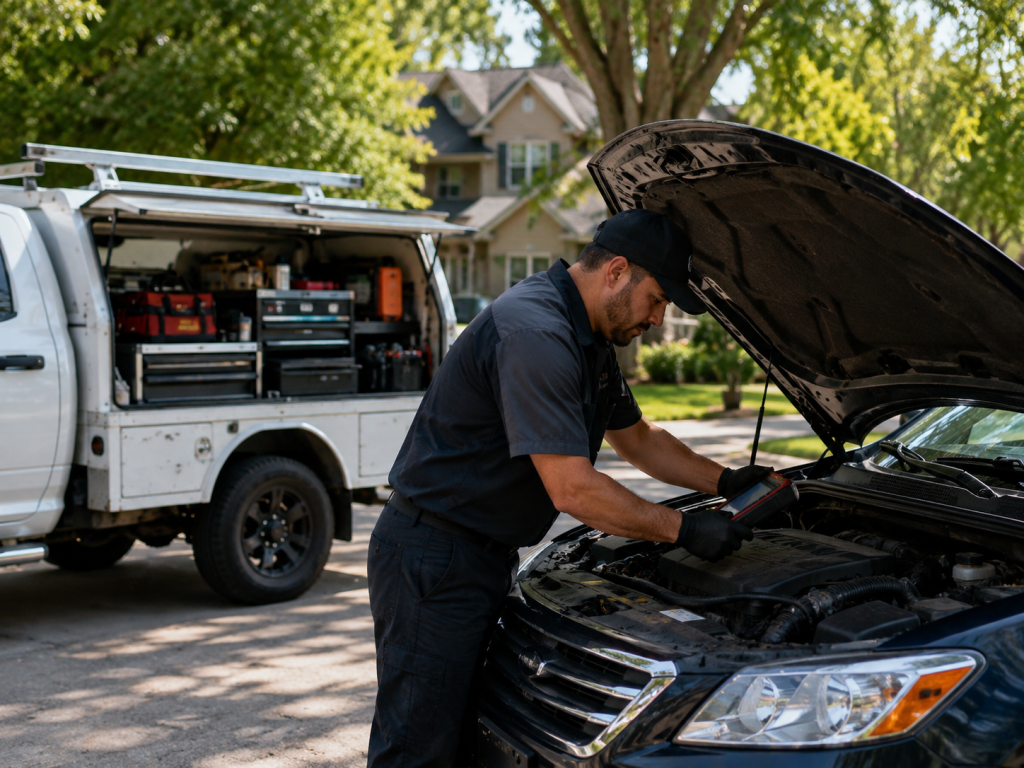
A technician who regularly services vehicles in Denver understands how altitude and winter conditions interact in ways that a generic maintenance checklist simply does not capture. Rather than waiting for an obvious failure during a cold, snowy morning, a mobile mechanic familiar with this climate can inspect the specific systems most affected by the combination of thin air and winter weather, catching early signs of trouble before they turn into a roadside problem.
We covered the broader advantages of choosing mobile service in our article on why mobile mechanics are better than traditional auto shops in Denver, which explains how convenience and local climate familiarity come together, particularly useful for a maintenance challenge as layered as this one.
Stay Ahead Of What Denver's Combined Conditions Do To Your Car
Denver's altitude and its winter snow season are each demanding in their own right, and together they create a combination that genuinely accelerates wear on engines, batteries, and tires compared to a milder, lower elevation city. Paying attention to early warning signs and adjusting your maintenance routine for both factors together, rather than addressing them separately, is one of the most effective ways to keep your car reliable through another Mile High winter.
If it has been a while since your vehicle had a proper checkup, visit our homepage to learn more about our services, or reach out through our contact us page to schedule a visit at your home or office anywhere in the Denver area.
A little proactive attention now can help your car hold up against everything altitude and snow are about to combine and throw at it this winter.